 Lumi
Lumi
In the moment
- Get low and quiet. Crouch to your child’s height, lower your voice, slow your own breathing. A child borrows calm from the adult in front of them.
- Name it, briefly. “You’re really frustrated.” One sentence. Explanations and lessons come later.
- Offer one tool, not five. “Want to do candle breathing with me, or a big hug?” Two choices, both calming.
- Give it time. A feeling that took a minute to build takes a few minutes to settle. Stay close and wait.
Ahead of time
The Child Mind Institute’s advice for parents centers on what happens before the hard moment: notice and label feelings early, “before the wave gets too big to handle”; keep routines clear and warn before transitions; plan ahead for situations you know are hard, talking about them when you are both calm; and revisit incidents later without judgment to work out a different approach. Validation, in their words, “is showing acceptance, which is not the same thing as agreement.”
Two things that make the practice stick: a calm-down corner, so there is a place to go, and a feelings chart, so there are words for what is happening.
Four exercises to practice on calm days
Each takes a few minutes. Pick two your child likes and repeat them until they come easily; those become the tools you offer in the moment.

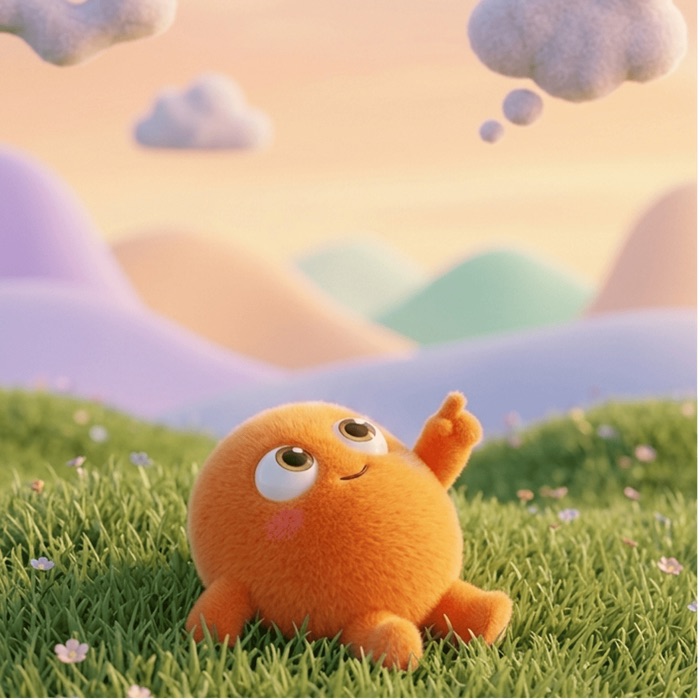
Candle Breathing
This playful breathing exercise teaches children to slow down their body with a long, gentle breath out. It helps when a restless or worried feeling shows up and gives your child a simple way to feel steady again. Practice it first when your child is calm, so it’s easier to use when feelings are big.
- The Magic Candle. Ask your child to hold up one finger as a pretend candle.Say: “Let’s pretend your finger is a magic candle. What color is it today? Look at the little flame. It wiggles with even the tiniest breath.”
- Gentle Breath In. Before breathing toward the candle, take a slow breath in through the nose. It doesn’t need to be big. The slow breath out is what matters most.Say: “Put your hand on your belly. Breathe in gently through your nose. You don’t need a huge breath. Just a nice, slow one.”
- Make the Flame Dance. Now breathe out slowly through softly rounded lips. The goal is not to blow the candle out, but to make the flame gently move.Say: “Now breathe out very slowly, like you want the flame to dance but not go out. Long and gentle. That’s it.”
- Breathe with the Visitor. If your child is upset, name the feeling you notice and invite it to sit nearby and watch the candle breathing.Say: “Looks like Worry came to watch. Worry likes fast, puffy breaths. Let’s show it our slow, gentle breath.”
- A Quiet Moment. After 5–7 breaths, pause and ask your child what they notice in their body.Say: “One last slow breath, and now we softly blow the candle out. Close your eyes for a second. What do you notice in your body now? It’s okay if nothing changed.”
5-4-3-2-1
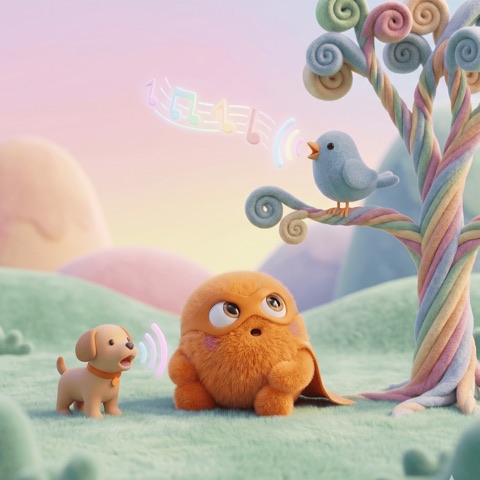
This playful grounding exercise helps children quickly slow down anxious thoughts. It teaches them to shift attention from worries inside the mind to the real world around them. By using all five senses, children come back to the present moment and feel steadier.
- Look for 5 Things. Explain that when thoughts feel messy, the world around us can seem foggy. To clear the fog, we use our detective eyes and find 5 things we can see. If your child finds only 3, that’s fine. The goal is noticing, not counting right.Say: “Let’s be super detectives! We need to find 5 clues around us. Can you name 5 things you see? Tell me their colors or shapes.”
- Touch 4 Things. Now find 4 different things to touch. This brings attention back into the body and the present moment.Say: “What can your fingers find? Touch 4 different things. Which one is soft? Which one is cold? Which one feels smooth or rough?”
- Listen for 3 Sounds. Ask your child to pause and listen for 3 different sounds. This helps them focus on the world outside the worry.Say: “Now let’s use our detective ears. Can you find 3 sounds? Maybe a car outside, a clock ticking, or your own breath.”
- Notice 2 Smells. Sniffing for smells naturally invites a deeper breath, which can help the body settle.Say: “Take a slow breath in through your nose. What does the air smell like? Can you find 2 smells? Maybe a blanket, a book, food, soap, or fresh air.”
- Find 1 Taste. Finish by noticing 1 taste. This helps your child feel more connected to the present.Say: “Last clue: taste. Notice the taste already in your mouth, or take a sip of water. What do you taste? Now you’re back here, in this moment. How does your body feel now?”

Thought Bubbles
This playful exercise turns scary or sticky thoughts into little bubbles that simply float by. Children learn to notice thoughts without grabbing onto them or trying to push them away. If you have a bubble wand, blowing a few real bubbles first makes the idea easy to see.
- The Bubble Machine. Explain that the brain is like the world’s fastest bubble machine. Every bubble is a thought. Some are bright, some cloudy, some fast, some slow. We don’t need to pop them. We just watch them float by.Say: “Imagine there’s a funny bubble machine inside your head. Every thought becomes a new bubble. Let’s close our eyes and see what bubble shows up next.”
- Naming the Bubble. When a thought appears, invite your child to place it inside a bubble. Teach them a special phrase: “My brain is making a bubble…”Say: “Oh look, another bubble! What’s inside it? Let’s say, “My brain is making a bubble: What if the dog barks at me?” Now the bubble can just float along.”
- The Gentle Wind. Imagine a soft little breeze moving through the room. It gently carries the bubbles toward the window. No need to chase them or blow hard. They can move at their own pace.Say: “See your “What if the dog barks?” bubble floating by? You don’t have to catch it or pop it. It’s just passing by while you stay right here.”
- Don’t Grab the Bubble. When we grab a bubble, it pops and gets soap all over our hands. When we just watch it, it floats away on its own.Say: “If the same thought keeps coming back, you don’t have to push it away. You can just say, “Oh, there goes another bubble.” We can watch the whole parade together.”
- Back to the Room. Take a deep breath and feel your feet on the floor. The bubbles can keep floating while we get back to our day and choose what to do next.Say: “Let’s stretch, take a breath, and feel your feet on the carpet. The bubbles are still floating around somewhere, but now we’re back here together. How do you feel now?”
Cloud Spotting
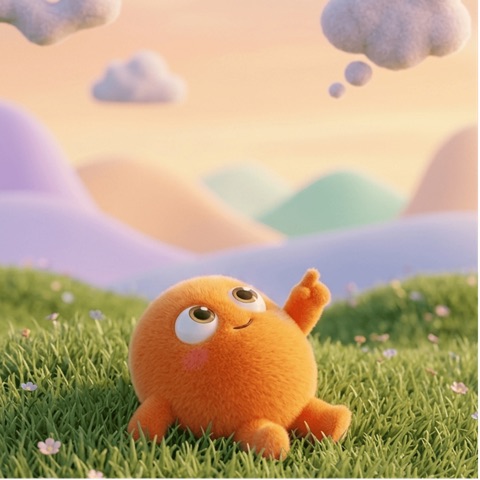
This car ritual turns a boring ride into a gentle look at feelings. Your child finds clouds that match how they feel and watches them change shape. Feelings, like clouds, drift by, change, and move on. If you’re driving, learn the game before the trip and just talk. Let your child do the looking. No clouds? Use passing trees or cars instead.
- Start Cloud Spotting. Explain that on a ride we can stare at our phones or our feet, or we can notice the big sky around us. Feelings are like clouds: they drift by, change shape, and move on.Say: “We’re on our way! Let’s play a game. Let’s look out the window and find a cloud for how you feel right now. What’s the first cloud you see?”
- Naming the Cloud. When your child spots a cloud, help them connect its shape with a feeling. Let your child choose the name. This turns an uncomfortable feeling inside into something they can see outside, which makes it easier to talk about.Say: “Look, that one looks like a grumpy little cloud. Maybe it’s Boredom, the “Are we there yet?” feeling. What should we call this cloud? See? It’s just floating up there.”
- Clouds Change. Watch the cloud together as it slowly changes shape or fades. This is a simple reminder: feelings come and go, even the heavy ones.Say: “Look, our grumpy cloud is changing shape. Now it’s all stretched out and fuzzy. Feelings change too. They don’t stay the same forever.”
- A Collection of Sky Visitors. Invite your child to find as many different feeling clouds as they can. This builds the habit of noticing different feelings without calling them good or bad.Say: “Let’s find a Joy cloud. Maybe it’s light and bright, like cotton candy. And where’s a Tiredness cloud? It might be heavier and lower in the sky. Which one feels more like you right now?”
- The Quiet Center. End by noticing that inside the car, and inside your child, there can be a safe place, whatever clouds are drifting across the sky.Say: “The clouds keep changing, and you and I are right here. Feel your seat holding you. I’m right here with you. We’re the ones looking at the clouds. You’re bigger than any cloud.”
What usually doesn’t help
- “Calm down.” It names the goal without giving a way to get there.
- Reasoning mid-meltdown. The thinking part of the brain is offline for a few minutes.
- A new technique introduced during the hard moment. Introduce it on an easy day.
If outbursts are getting more frequent or more intense as your child gets older, or if your child hurts themselves or others, bring it up with your pediatrician. See also tantrums at 4, 5 and 6 and emotional regulation for kids.
Lumi is a set of self-help exercises for families. It isn’t a treatment and doesn’t replace a pediatrician or a child psychologist. In an emergency, call 911. For a mental health crisis, call or text 988.
Sources
- How to Help Children Calm Down, Child Mind Institute.
- Tips for Noticing and Naming Emotions, Centers for Disease Control and Prevention.
Questions parents ask
What are good calming strategies for a 5-year-old?
Slow breathing with a picture (blowing out a candle), noticing five things around them with the senses, watching a thought drift past like a cloud, and a long hug. Practice on calm days so the child can use them when upset.
How do I calm my child down during a meltdown?
Get down to their height, lower your voice, name the feeling in one sentence, offer one or two calming tools you have practiced before, and give it a few minutes.
Why doesn’t “calm down” work?
It names the goal without giving the child a way to get there. A specific action, such as a breath or a hug, gives them something to do.
What age are these calming techniques for?
The exercises on this page are written for ages 4 to 8. Younger children can do the breathing and the hug with an adult leading.