 Lumi
Lumi
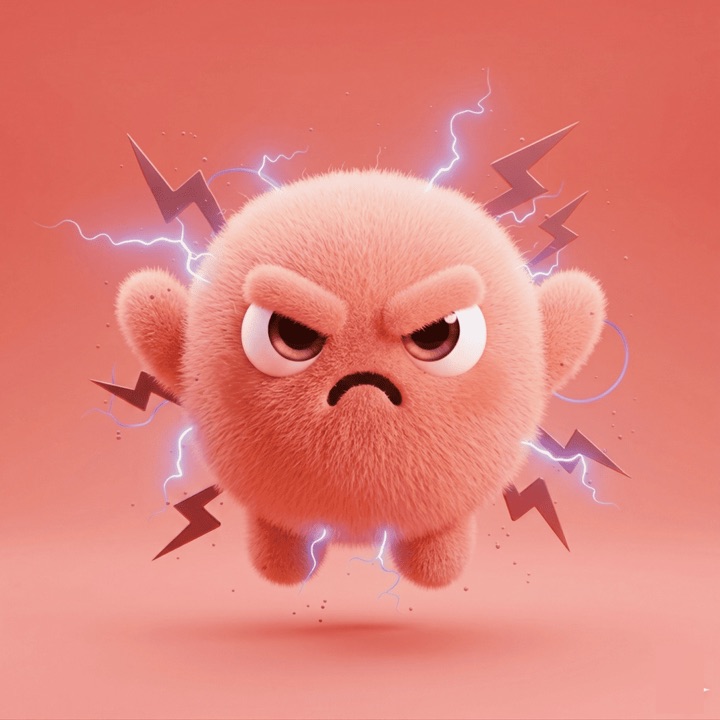
During the outburst
- Stop the hurting first. Hold a hand, move a sibling, say the rule once: “We don’t hurt each other.”
- Stay steady. The AAP’s advice is blunt: “Control yourself. They can’t yet.” Your calm is the thing your child borrows.
- Name it, don’t argue it. “You’re furious that the tower fell.” Save the lesson for later.
- Offer a way out. Stomp to the door together, squeeze a pillow, or do candle breathing. A body full of anger needs somewhere to put it.
Preventing the next one
From the AAP’s tips on aggressive behavior in young children: teach the family’s rules and repeat them; avoid threats; notice and praise the moments your child handles frustration well, because discipline works best when it is ongoing, not only after trouble; teach your child to say “no” in a firm voice instead of hitting; use healthy distractions; use time-outs sparingly; and control your own temper.
One exercise to practice on calm days
This one teaches the skill before it is needed: a child learns to stop fighting the feeling instead of being dragged by it.
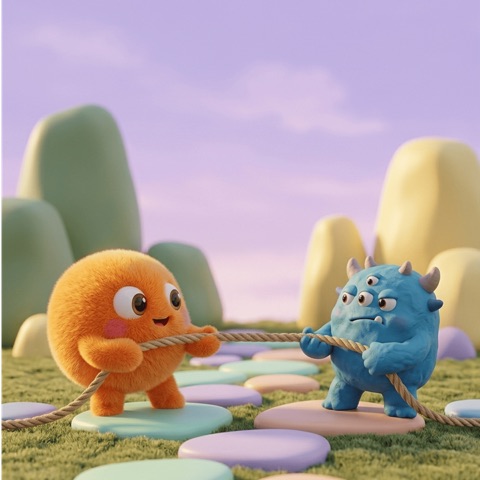
Tug-of-War with the Monster
This exercise teaches children that fighting difficult thoughts and feelings can make those feelings even stronger. Instead of using all their energy to pull back, children learn to “drop the rope” and use their energy for things they care about.
- Meet the Monster. Explain that sometimes a big feeling can feel like a monster pulling on an invisible rope. When Fear, Worry, or Anger shows up, it can feel like the monster starts to pull.Say: “Here’s a secret. When a big feeling shows up, it can feel like a monster pulling on a rope. Want to see how we can outsmart it?”
- The Rope. Take a soft scarf, not a belt. Let your child hold one end while you hold the other. Don’t wrap it around hands or wrists. Play on a rug or carpet, pull gently, and never let go suddenly.Say: “I’ll play the monster. Grrr! The harder you pull, the harder I pull back. That’s what happens when we fight a feeling. It often gets louder.”
- Pulling Hard. Invite your child to pull for a few seconds. Keep your own pull gentle and steady so no one falls. Let them feel the effort in their arms, shoulders, and body.Say: “Pull! Can you feel how much energy this takes? When we fight the monster, our body gets tired, and the monster feels even bigger.”
- The Secret: Let Go. Say “Stop!” and ease off your own pull first. Then show your child how to relax their shoulders, open their hands, and let the rope fall to the floor. Your child is the one who lets go.Say: “Now just drop the rope. See? You didn’t have to beat the monster. Dropping the rope doesn’t mean the monster wins. It just means you’re not stuck holding on anymore.”
- Hands Free. Take one slow breath in and one slow breath out. Notice how the body feels when it’s no longer pulling. Then talk about what your child would like to do with their free hands.Say: “Can you feel the difference? The big feeling may still be nearby, but your hands are free now. What would you like to do with them?”
- Superhero Pose · 3 minutes. This exercise uses the connection between body and mind to help children feel steadier.
- Emotional Echo · 3–5 minutes. This gentle game helps children feel seen and understood.
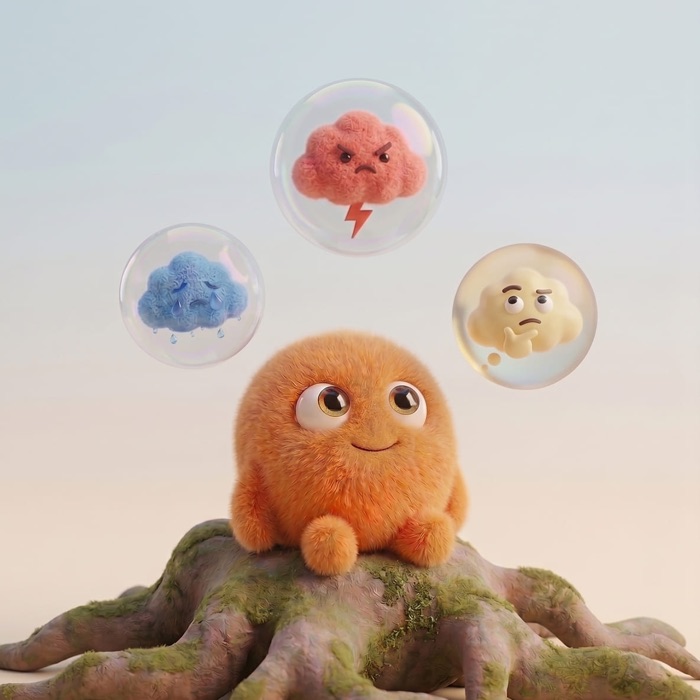
A feelings wheel helps a child notice anger while it is still small, and a calm-down corner gives it a place to settle. If the outbursts look more like tantrums than anger at someone, start there.
When to call the pediatrician
The AAP suggests consulting your pediatrician if aggressive behavior lasts longer than a few weeks, or if your child injures themselves or others, attacks adults, is excluded from play or school because of it, or has frequent outbursts.
Lumi is a set of self-help exercises for families. It isn’t a treatment and doesn’t replace a pediatrician or a child psychologist. In an emergency, call 911. For a mental health crisis, call or text 988.
Sources
- 10 Tips to Prevent Aggressive Behavior in Young Children, American Academy of Pediatrics, HealthyChildren.org, updated 2023.
- Tips for Noticing and Naming Emotions, Centers for Disease Control and Prevention.
Questions parents ask
What are good anger management activities for a 4-year-old?
Practice on calm days: drop the rope instead of fighting the feeling (Tug-of-War with the Monster), stand in a steady pose, and have feelings echoed back by a parent. In the moment: stop the hurting, stay calm, name the feeling, offer a physical way out.
How do I handle my preschooler hitting when angry?
Stop the hurting first and say the rule once. Stay calm yourself: the AAP’s advice is “Control yourself. They can’t yet.” Teach your child to say no in a firm voice instead of hitting, and praise the moments they manage frustration well.
Is anger normal in preschoolers?
Yes. The skill of handling it is still being built. What matters is a steady adult in the hot moment and practice on calm days.
When should I worry about my child’s anger?
The AAP suggests talking to your pediatrician if aggressive behavior lasts longer than a few weeks, or if your child injures themselves or others, attacks adults, is excluded from play or school, or has frequent outbursts.